Reverie Park: Diego Fabro
Only 10 available
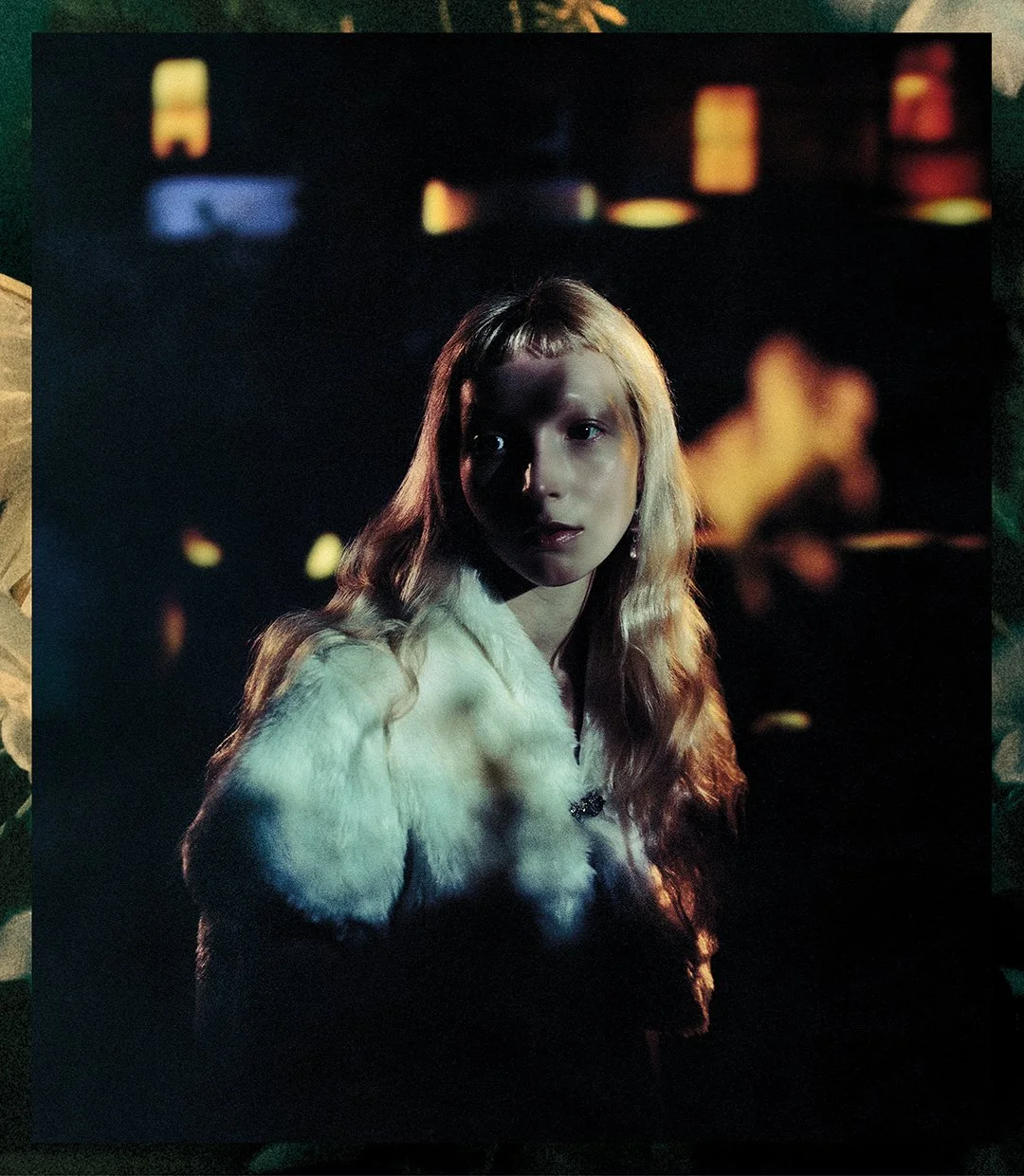
Signed Book + Signed Print (as Illustrated).
148mm x 170mm Splendorlux Premium White Coated 300gsm. Signed and dated 2026 on Reverse of print.
Dimensions of Book: 240 mm wide × 276 mm deep
Pages: 96 pages
Binding/Printing: Hard Cover printed offset
Languages: English
ISBN: 978-1-0369-5397-3
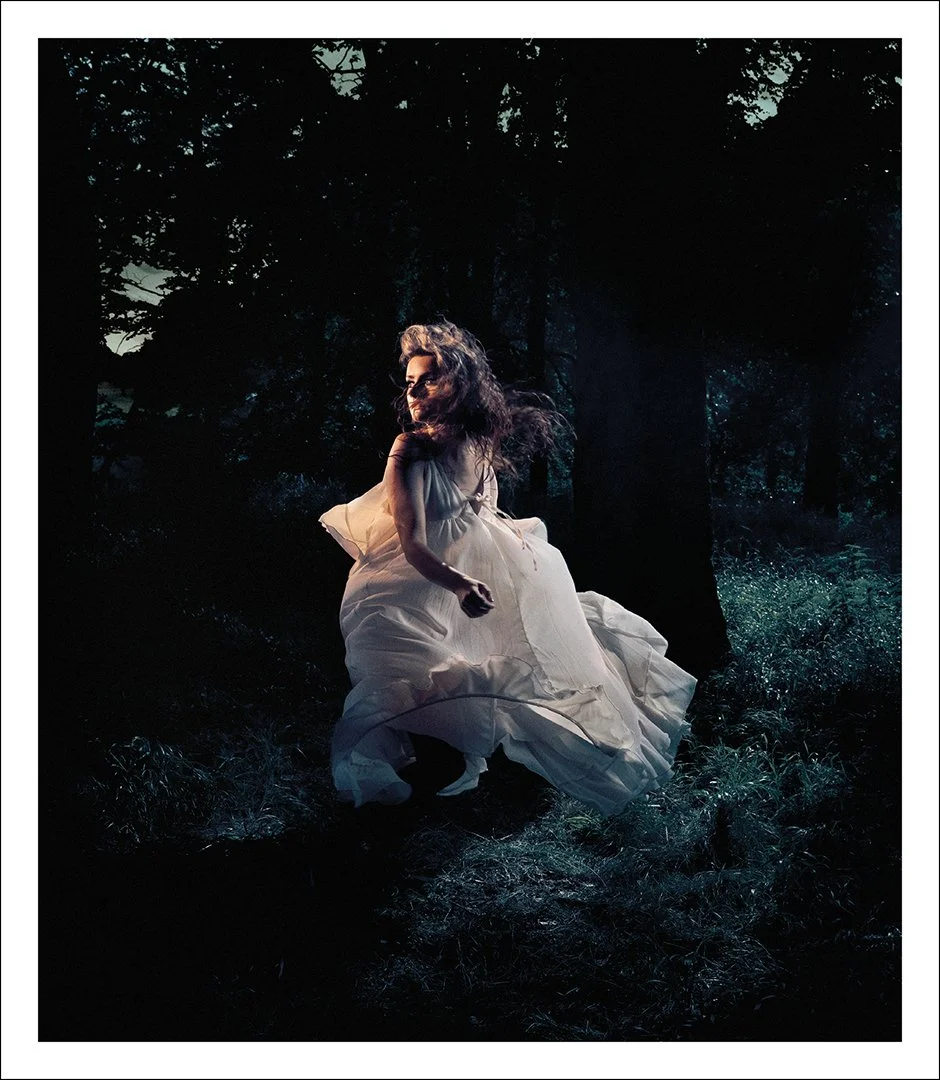
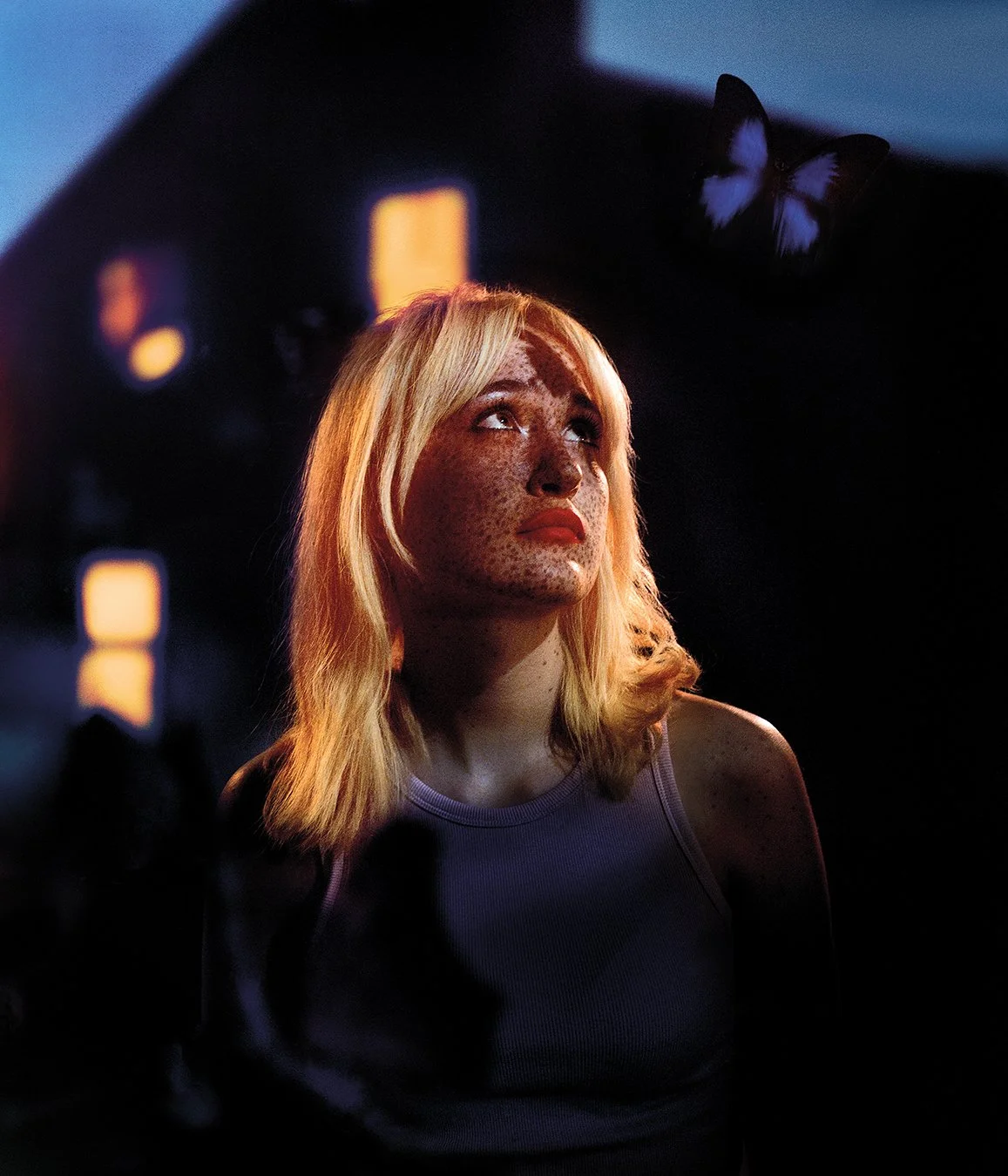
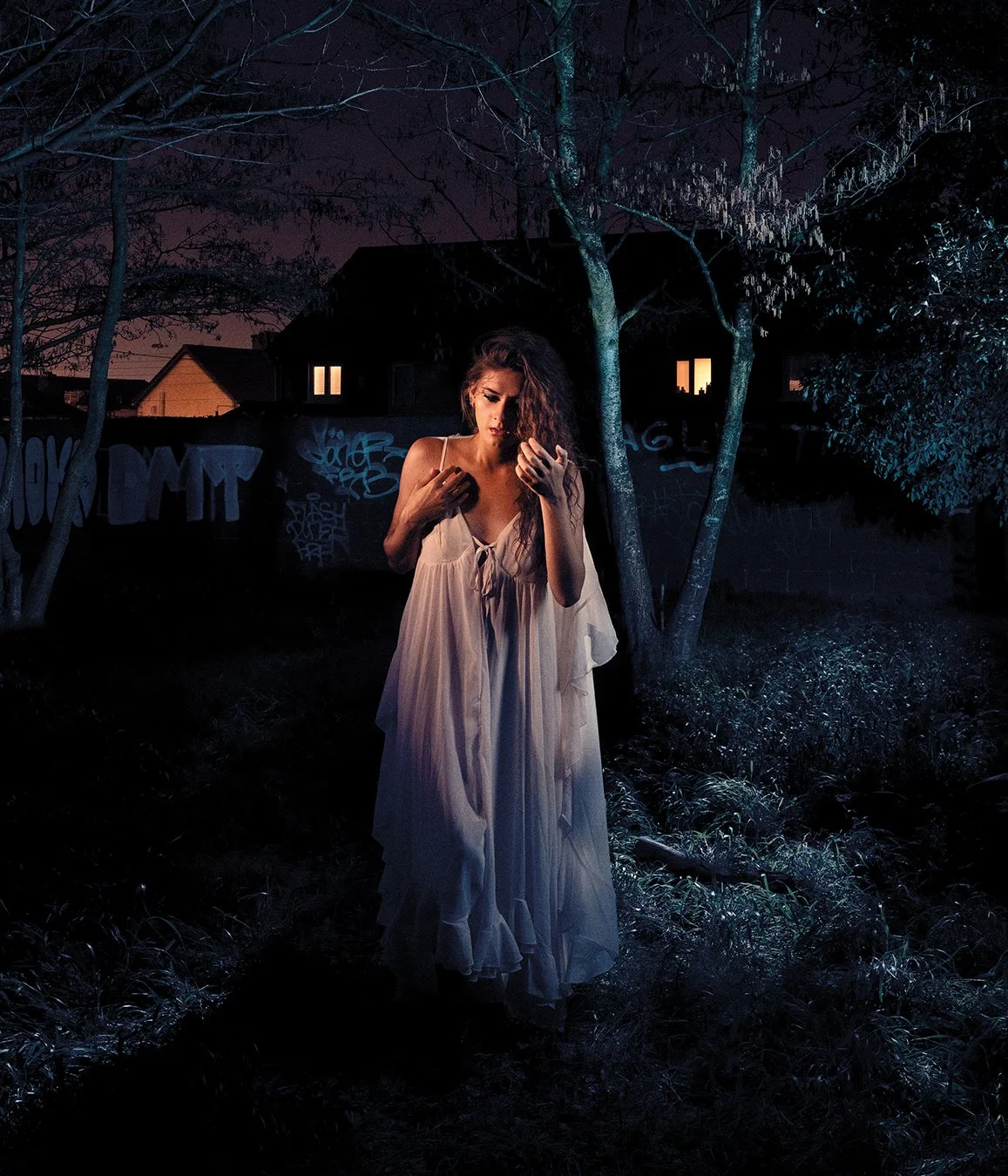
Reverie Park is a haunting and poetic meditation on memory, grief and belonging. Diego Fabro’s photographs invite us into a world suspended between two continents and two lives: the rural expanse of a Brazilian childhood and the quiet suburban corners of Dublin. This is not a place that can be found on a map but a terrain of feeling, shaped by longing and the fragile beauty of time passing.
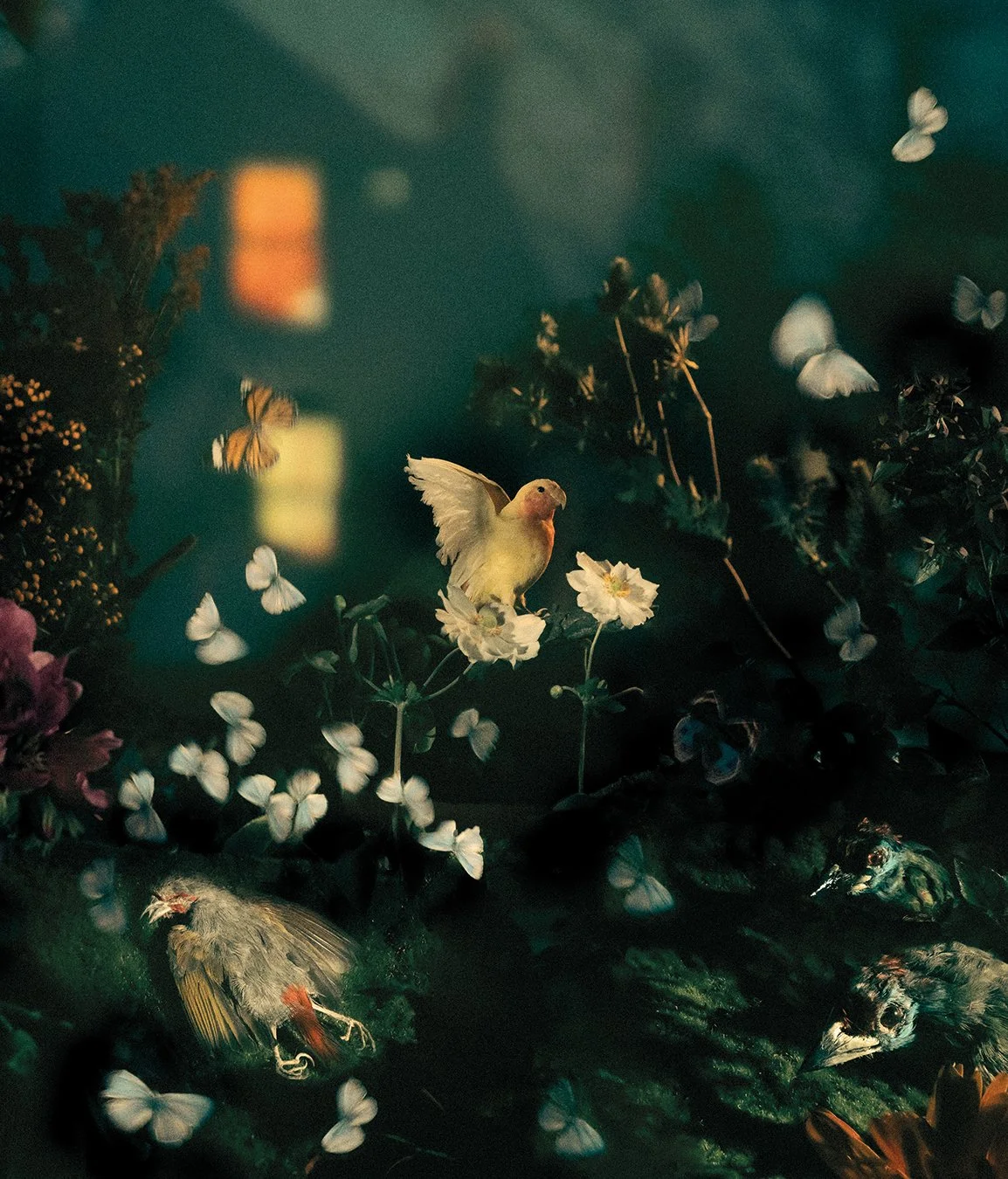
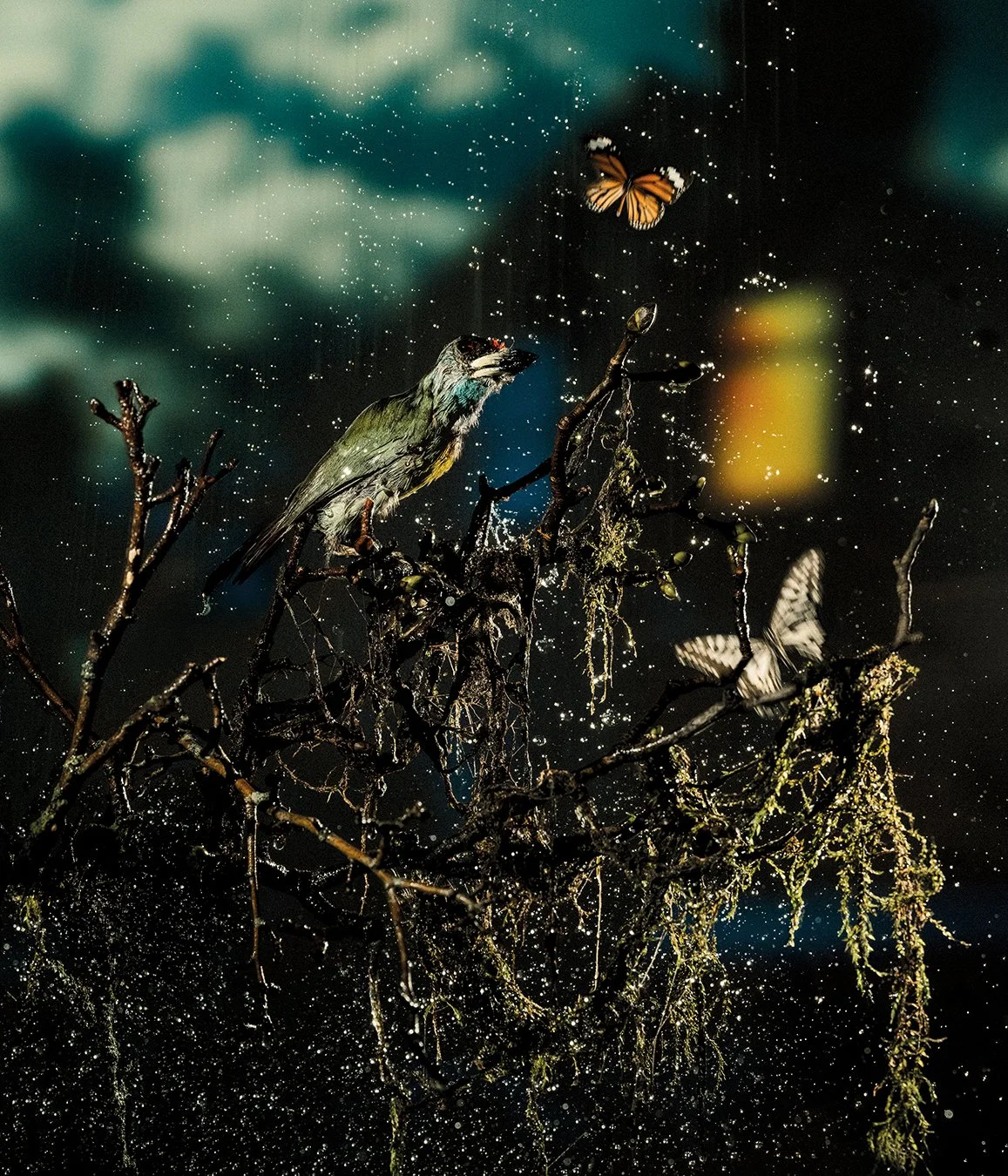
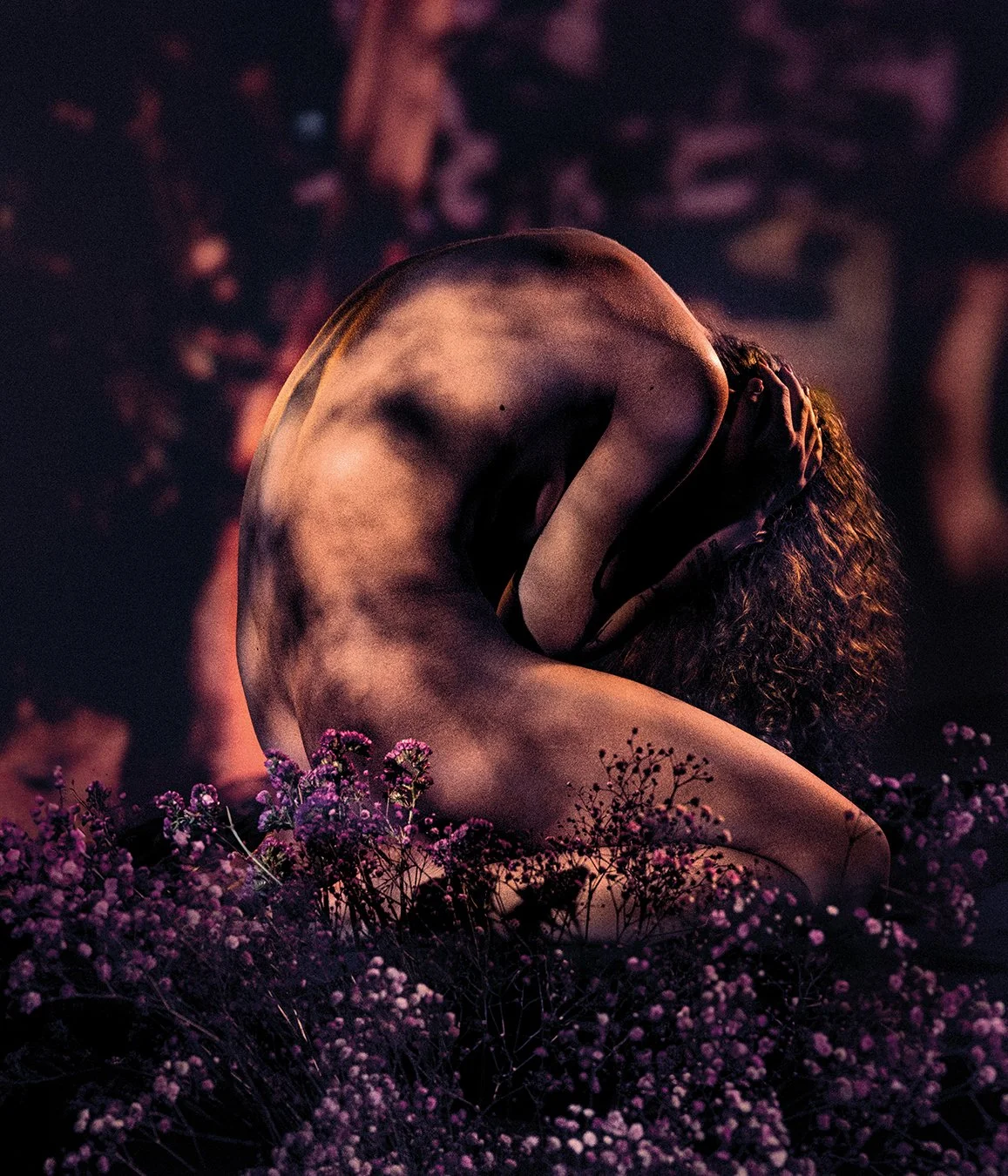
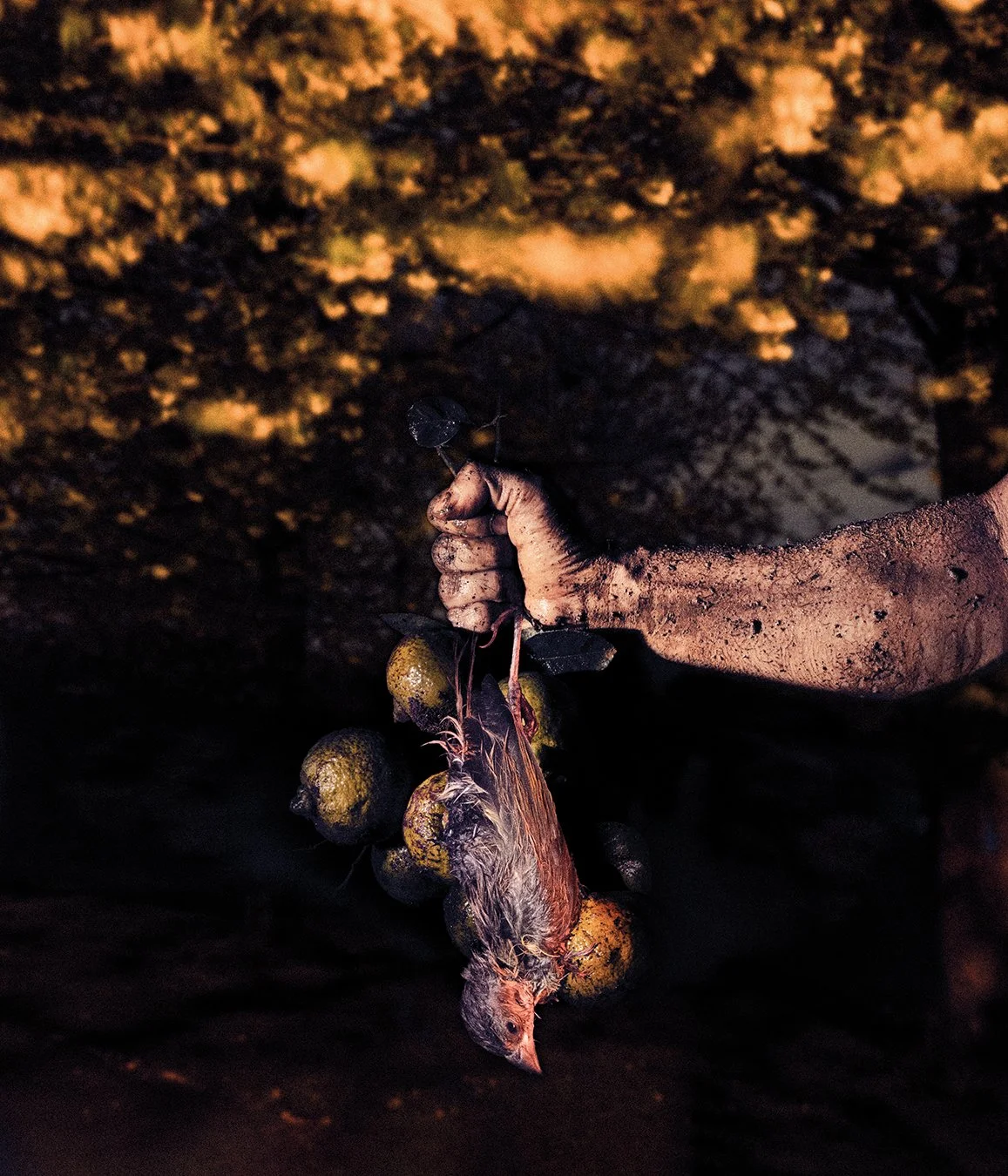
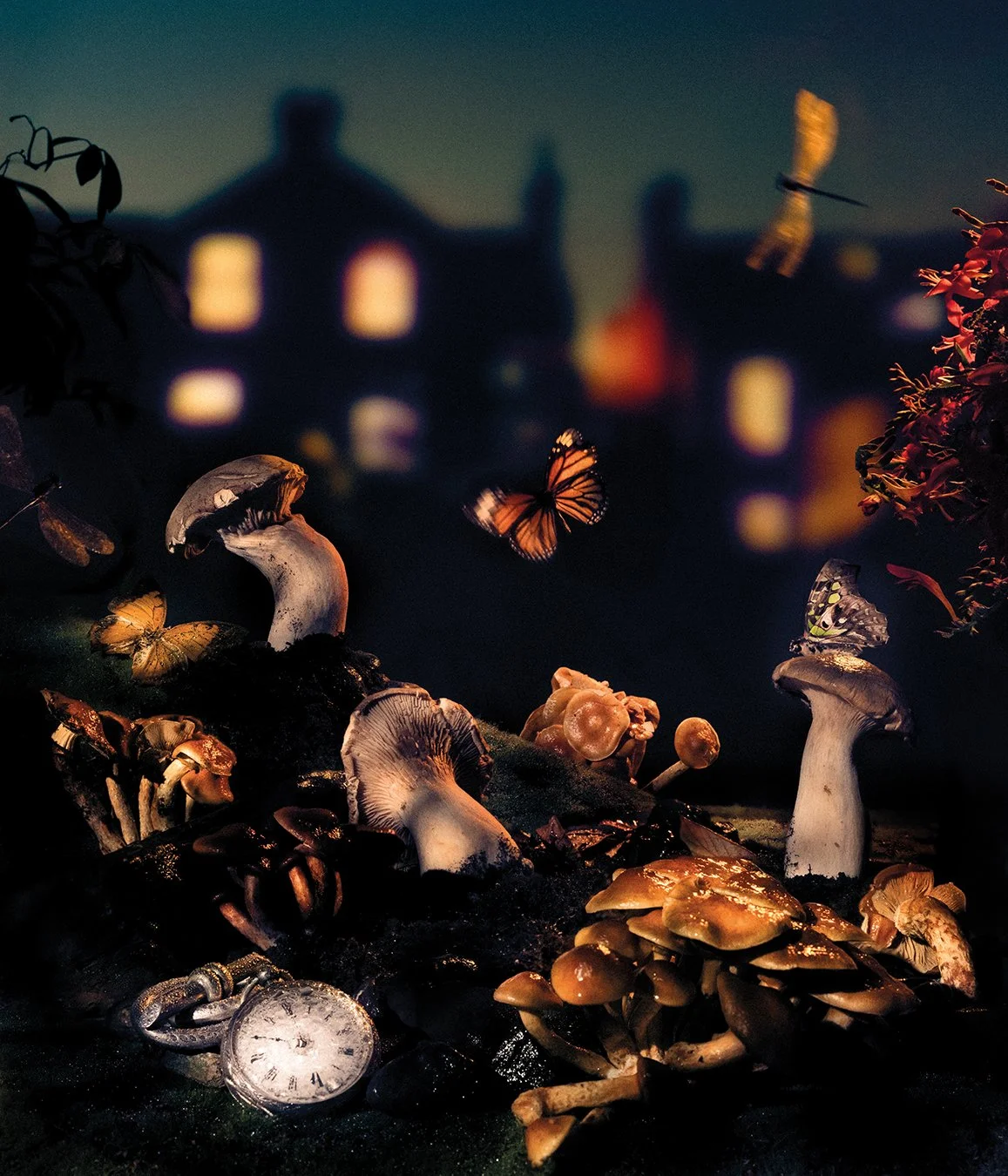
The series began in mourning, following the death of Fabro’s father. In returning to the family farm, he became attuned to the rhythms of nature, the bloom and fade of flowers, the quiet presence of insects, the slow choreography of decay. These observations became the seed of Reverie Park, a body of work that grew to include human figures, staged compositions and suburban nocturnes.
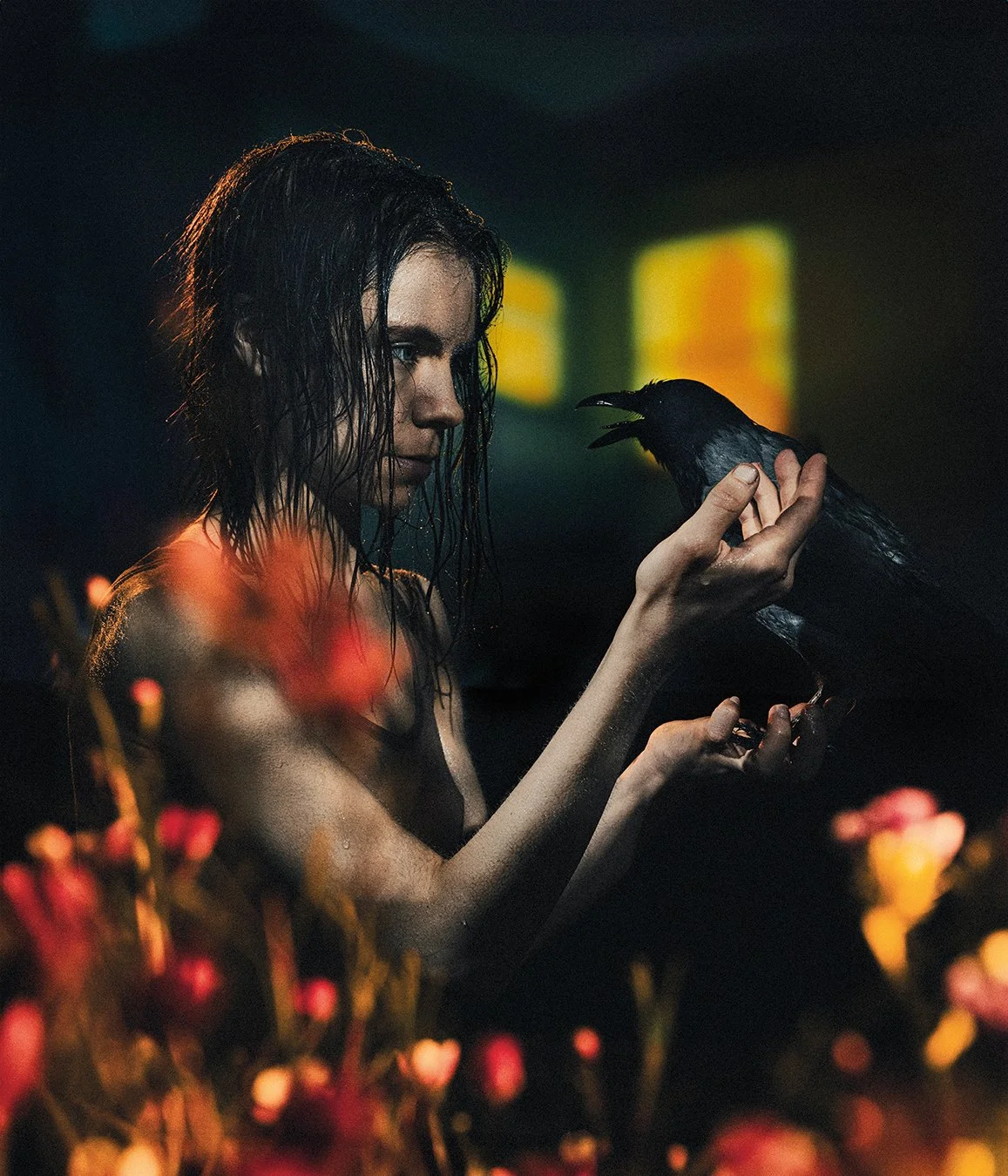
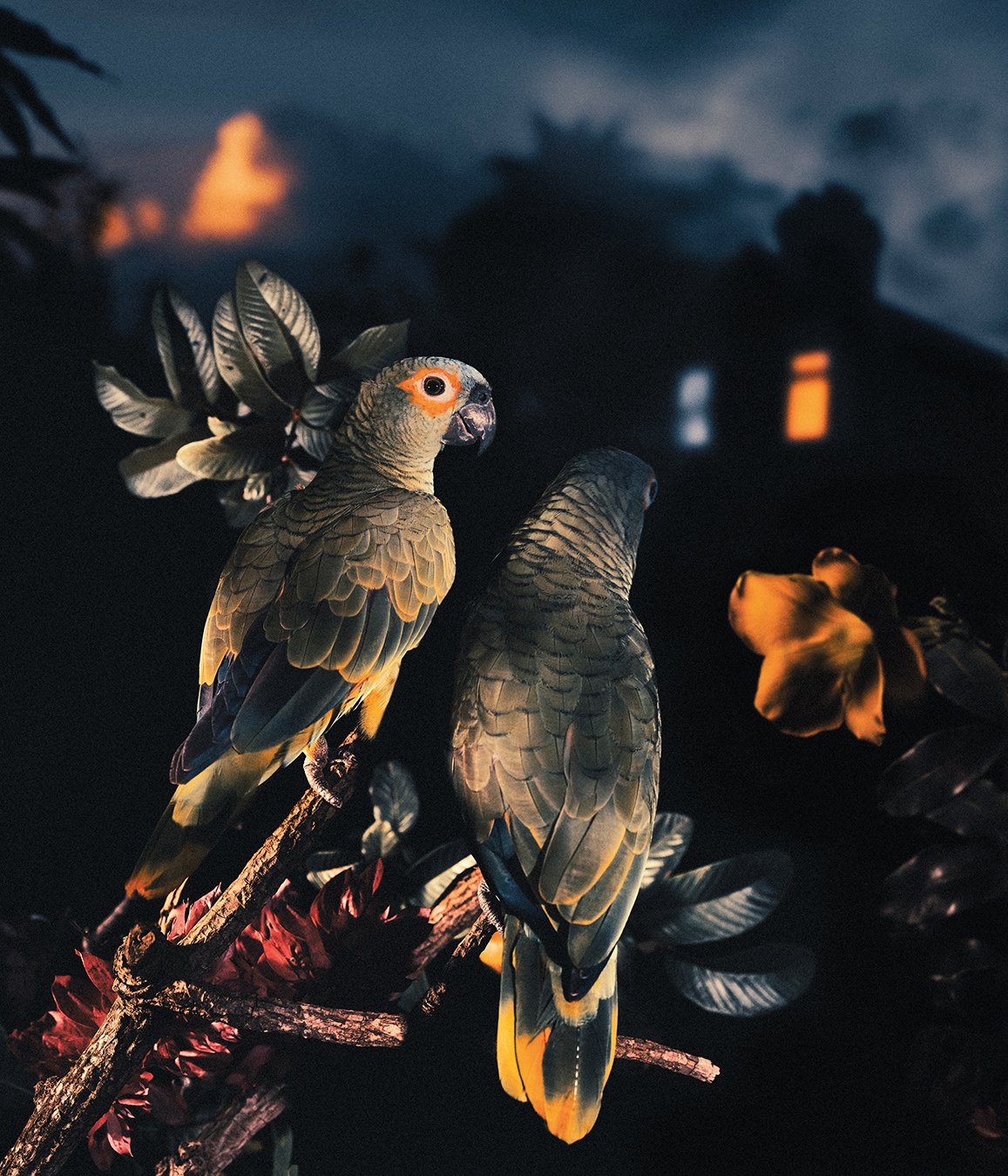
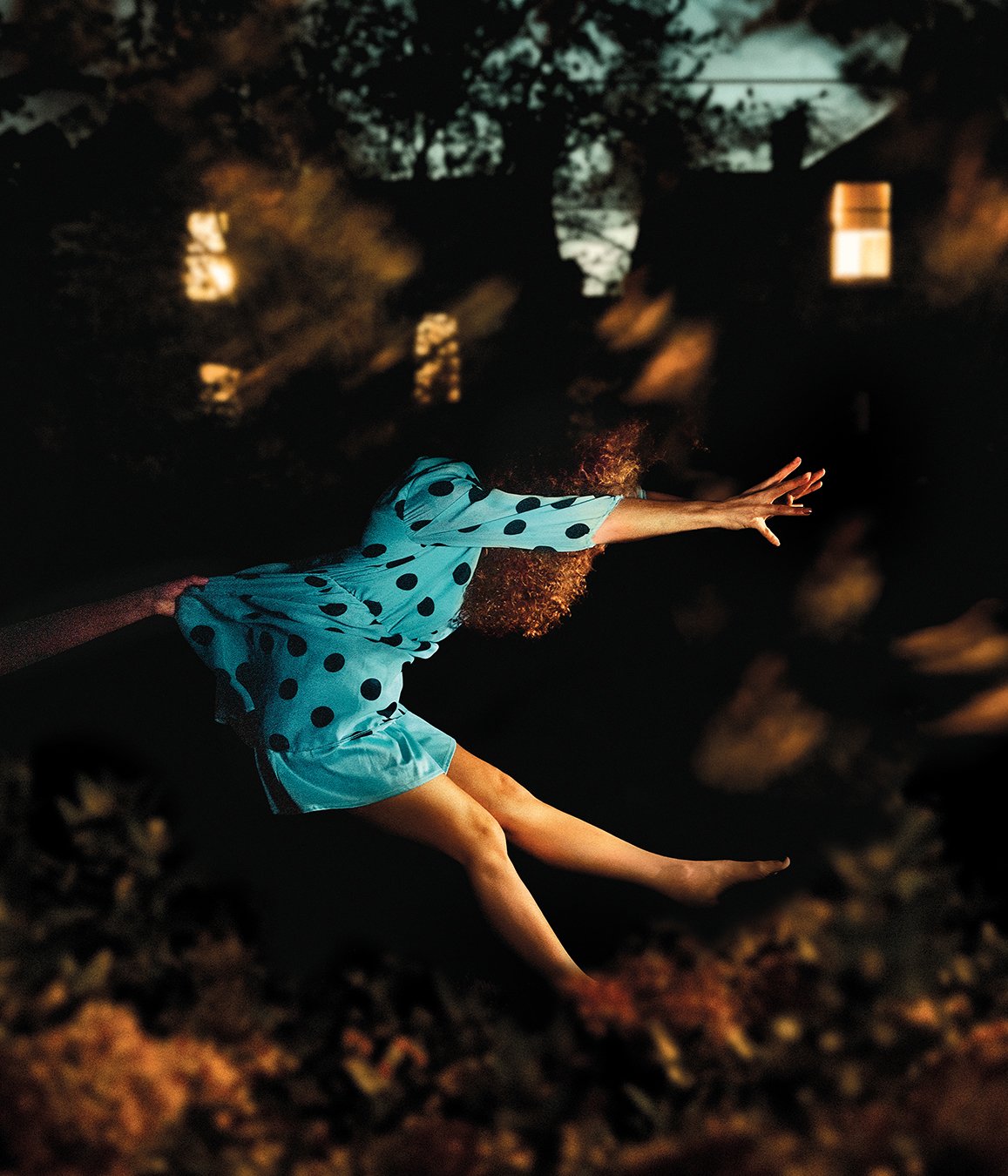
Across three years and two geographies Fabro constructed a visual language that blends analogue and digital photography, natural and artificial light, documentary and fiction. The result is a sequence of images that feel cinematic yet intimate, theatrical yet grounded. Period houses in Dublin become silent stages, while studio-built tableaux echo the textures of the Brazilian countryside. Each photograph is carefully lit and composed, guiding the eye through gesture, shadow and bursts of colour that together form a quiet narrative.
What emerges is not a linear story but a constellation of moods: grief, nostalgia, isolation and tenderness. Fabro’s use of colour and light transforms the everyday into something uncanny and poetic. His photographs do not shout, they murmur. They ask us to linger, to notice, to feel. In their stillness they speak of the universal experience of being caught between places, between selves, between moments that have passed and those yet to arrive.
There is a quiet theatricality to Fabro’s vision, one that resists spectacle in favour of suggestion. His figures do not perform for the camera but inhabit their spaces with hushed intensity, as if caught mid-thought or mid-dream. The influence of cinema and painting is palpable not in imitation but in atmosphere. Shadows fall like curtains; a single hue can tilt the entire frame toward melancholy or wonder.
And yet for all its artifice Reverie Park remains grounded in the real. The houses, the gardens, the figures are drawn from Fabro’s everyday surroundings, from the streets he walks and the memories he carries. This tension between the familiar and the surreal is what gives the work its charge.
In an age of speed and spectacle Reverie Park offers something rare: stillness. It is a book about grief, beauty and the persistence of memory. Through Fabro’s lens photography becomes not only a way of seeing the world but of feeling it.
Reverie Park is both personal and universal, a poetic reflection on time, identity and the beauty found in stillness.
With writing from Robin Titchener, a long established British photobook collector and writer, the book unfolds in poetically reflective prose.